How to Capture B2B Leads: Forms and Website Credibility
In the first part of our series on critical B2B website elements, we covered how to attract the right visitors through blogging and guide them through your site with quality design. Today, we’ll explore the next step—converting these visitors into business opportunities and earning their trust.
According to Gartner research, 80% of the B2B buying process is complete before the first personal contact with a vendor. That’s why it’s absolutely critical for your website to include effective lead capture tools and compelling proof of your expertise and reliability.
3. Lead Capture Forms – The Bridge Between Visitor and Opportunity
In B2B environments, well-designed forms are a critical element of conversion strategy. It’s not just about having forms on your website—proper design, placement, and timing are what matter most.
Why Forms Are Critical for B2B Websites:
Data clearly shows that well-designed web forms are among the most effective tools for capturing B2B leads. Let’s look at some key statistics:
- Properly optimized forms can increase conversion rates by up to 120% [Source: WordStream]
- 74% of B2B companies generate most of their leads through web forms [Source: Ruler Analytics]
Types of B2B Web Forms:
Contact Forms represent the cornerstone of every B2B website. They should be concise and straightforward, clearly visible on all key pages. The most effective forms contain only essential fields like name, email, company, and a brief message. More fields typically mean lower conversion rates.
Gated Content Forms serve as an effective tool for capturing qualified leads. You offer valuable content like case studies or e-books in exchange for contact information. Similarly, you can use these forms to offer product demos, newsletter subscriptions, or webinar registrations.
Advanced Consultation Forms are specialized forms for specific services or products. They contain more fields for better lead qualification, helping sales teams prepare for initial contact. They often include preferred consultation time selection, increasing the likelihood of successful connection with potential clients.
Best Practices for B2B Form Design:
When designing forms, the rule “less is more” applies—each additional field reduces completion probability.
- Maximum 3-5 fields for initial contact
- Ask only for truly necessary information
- Use longer forms only for qualified prospects
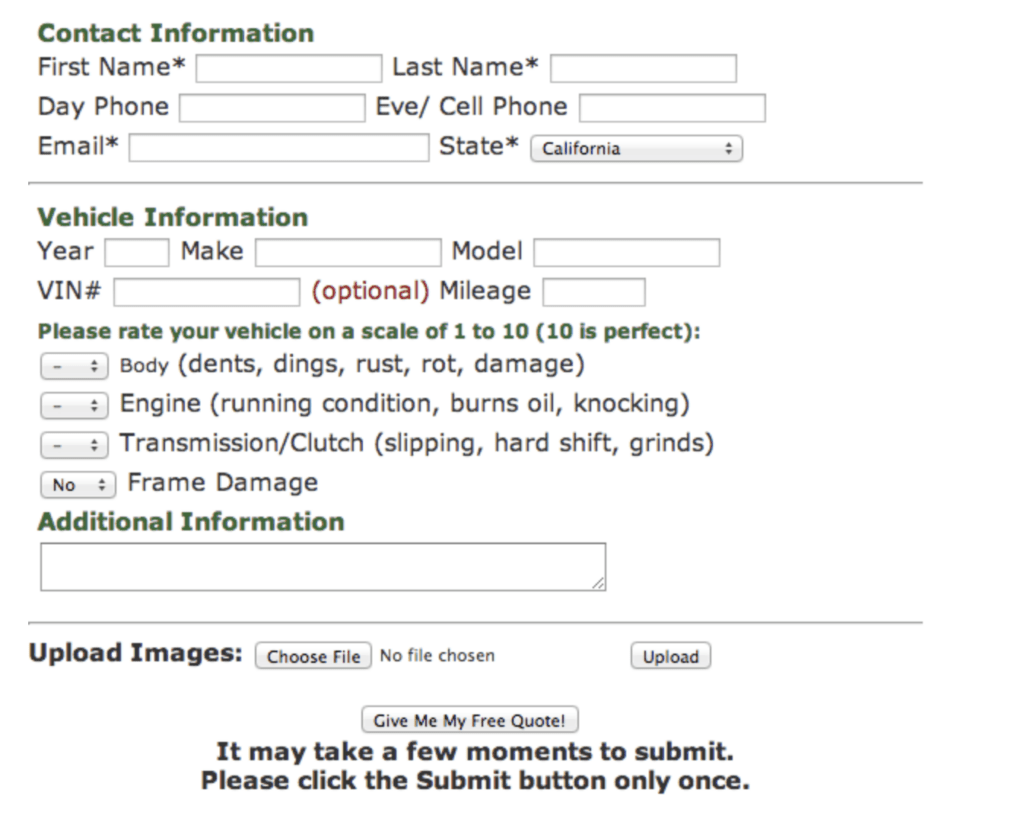
❌ Never do this!
Clean, professional form design significantly impacts visitor willingness to complete it.
- Action-oriented button text (e.g., “Get Your Quote” instead of generic “Submit”)
- Clear marking of required fields
- Real-time validation during completion
- Mobile-responsive design
3. Placement and Context
Strategic form placement within page context can double lead capture rates.
- Place forms where visitors expect them
- A/B test different positions to find optimal placement
- Add testimonials and trust elements near forms
For maximum effectiveness, integrate forms with your CRM system and ensure rapid sales team response—ideally within 24 hours of receiving an inquiry.
4. References and Credibility – The Decisive Factor in B2B Decision-Making
In B2B, where long-term partnerships and significant investments are at stake, credibility plays a crucial role. According to LinkedIn research, 89% of B2B buyers actively seek references and social proof before engaging with new vendors.
Key Credibility-Building Elements for B2B Websites:
1. Case Studies
Well-crafted case studies are among the most powerful tools for convincing potential clients—they demonstrate your capabilities in action.
- Detailed project descriptions
- Specific measurable results and ROI
- Direct client quotes
- Visual documentation (before/after, charts, screenshots)
2. References and Testimonials
Nothing convinces better than positive experiences from other clients—that’s why presenting references in various formats is important.
- Logos of prominent clients
- Video testimonials
- Quotes from specific individuals with titles
- Ratings on independent platforms (G2, Clutch, Google Reviews)
3. Expert Credibility
Your expertise and industry standing can be supported by official certifications and recognition from respected organizations.
- Certifications and partnerships
- Awards and professional organization memberships
- Media coverage and publications
- Conference speaking engagements
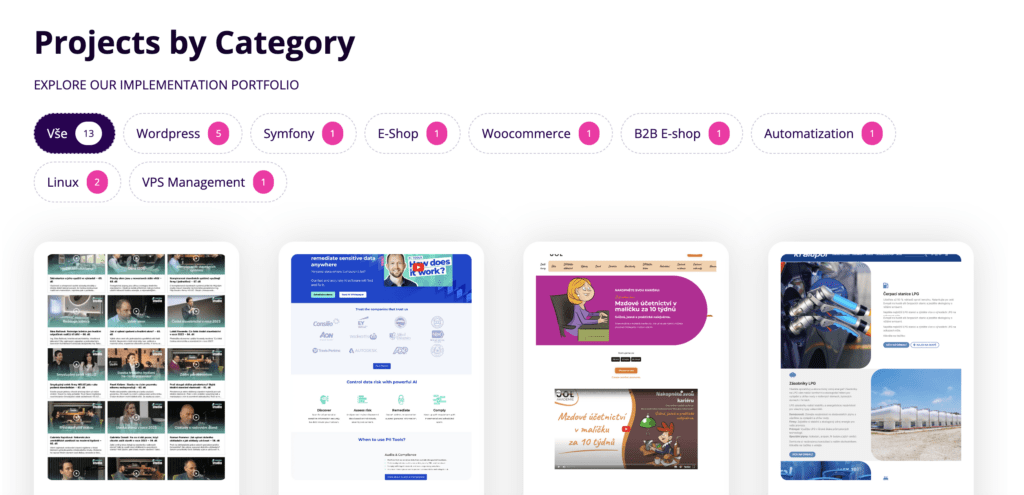
4. Effective Reference Presentation:
Each case study should tell a clear success story, guiding readers through the entire process from problem to solution.
- Initial situation/challenge
- Proposed solution
- Implementation process
- Achieved results
- Measurable client benefits
5. Social Proof
Numbers and statistics help build trust—they show the scope of your experience and success in measurable terms.
- Team size and expertise
- Successful project statistics
- Number of satisfied clients
- Years of industry experience
Practical Tips for Strengthening Credibility:
- Regularly update references
- Segment case studies by industry
- Use various formats (text, video, infographics)
- Offer direct contact with reference clientsční klienty
Common Mistakes in Presenting References:
- Outdated or stale references
- Too generic or vague testimonials
- Missing concrete data and results
- Unverifiable or anonymous references
Remember: In B2B, quality references are often the deciding factor that convinces potential clients to engage. Invest time in quality presentation and continuous updates.
Conclusion and Series Summary
A successful B2B website stands on four fundamental pillars:
- Quality blog attracting relevant visitors
- Professional design facilitating navigation
- Strategically placed forms for lead capture
- Compelling references building trust
While the first two pillars (covered in the previous article) create the foundation for attracting visitors, forms and references are what actually generate business opportunities. Pay special attention to:
- Form optimization for maximum conversions
- Regular reference updates
- Collection and presentation of concrete results
- Building credibility through various forms of social proof
How to Start Implementation?
The best approach is systematic. Start with an audit of your current website and answer these questions:
- Are your forms in the right places?
- Is the completion process simple and intuitive?
- Are your references current and compelling?
- Do you adequately present your expertise?
Need Help?
We’d be happy to analyze your website and propose specific improvement steps. Contact us for a no-obligation consultation.
For more inspiration, follow our blog where we regularly share practical tips for improving your B2B website and online marketing.